This Broken World Is Holy
On the end of progress, and the return of hope
I was going to write something about Bonnie Blue this week. Then I opened the draft to finish it and realised no: I just can’t. Not this week, and not when the headlines already feels so grim, so much of the time. I refuse to make your inbox even grimmer, by adding Bonnie Blue to it the day before Christmas.
Last Sunday was the shortest of the year. The world outside feels dark, too. The headlines are bitter: squabbles over competence, and scarcity, and belonging, and how or whether we should distribute dwindling resources. In a word: how to carve up the carcass of the never-ending progress that once seemed so assured but whose demise even the reactionaries mostly now lament.
I’ve written a lot over recent years about how “progress theology” secularised the Christian narrative. This 2,000-year-old story began with Creation and the fall from Paradise, after which follows, we’re told, an arduous time of struggle. We’re still in that struggle. But, we’re promised, this will eventually end - we know not when - in a new, wonderful City of God. Progress theology was an immanent, secular version of this trajectory, without its most important detail: that this happy future really is promised to us, but not in this life. Instead, progress theology promised that Things Can Only Get Better, and that this will happen for us in this world, through technical mastery.
That worked well enough, for some at least, during the End of History. But no one outside a few pockets of well-off provincial homeowners still believes that Things Can Only Get Better. There are now kids of voting age for whom the inverse has plainly been the case, over their entire lives to date: from the Great Financial Crash to economic decline, faltering social cohesion, war in Europe, rising crime, and all the rest of it. The settled order is no longer settled, and has not been for some time.
Against this backdrop, Progress Theology is a bust. It is simply no longer tenable to assert that ever more freedom, and ever more stuff, will deliver us ultimately to earthly paradise. The backswing has already begun on more freedom, as people have begun to realise that absolute individual self-actualisation is not, in fact, cost-free. For many, too, economic decline is forcing a backswing on stuff. It’s not a cosy, crunchy, wholesome abjuring of consumerism, either, but painful lack and loss. People going without. Hard times.
Facing this, it would be easy to feel pessimism; even despair. We were sold a bill of goods, with Progress Theology. And now we’re all committed, whether we like it or not, to the conditions for never-ending progress on immanent terms. Even as we discover, too late, that it was only ever funnelling wealth to a few, and bitterness to everyone else. It sucks.
But perhaps counter-intuitively, this year I feel more Christmassy than ever. Not in the spingly-spangly Jingle Bells and cinnamon sense, exactly. More - how can I put this? - a sort of fierce, inward brightness. Mass-market Christian society on the postwar Rockin’ Around The Christmas Tree model really is probably over. But I’m not going to do the Meaning Of Christmas threnody, or the Post-Christian Bleakness one, or the Declining Church Attendance one, or the Consumerism Ate Everything one. On the contrary: I have never been more sure that Christian faith is here for the long haul.
Here’s why: things are bleak. As we slide ever further past peak literacy, peak growth, peak peace, and peak progress, I think things will get bleaker. Things Are Not Getting Better. And there is no other story that teaches, like the Christian one does, to hope even when this is so. That despair itself is a sin, because it denies the possibility of divine mercy. And also - plot twist! - that just pointing out how things are sometimes bad isn’t an argument against hope. Contra progress theology, this story tells us brokenness can never be permanently fixed, more or less by definition, because the condition of this world is always a bit broken.
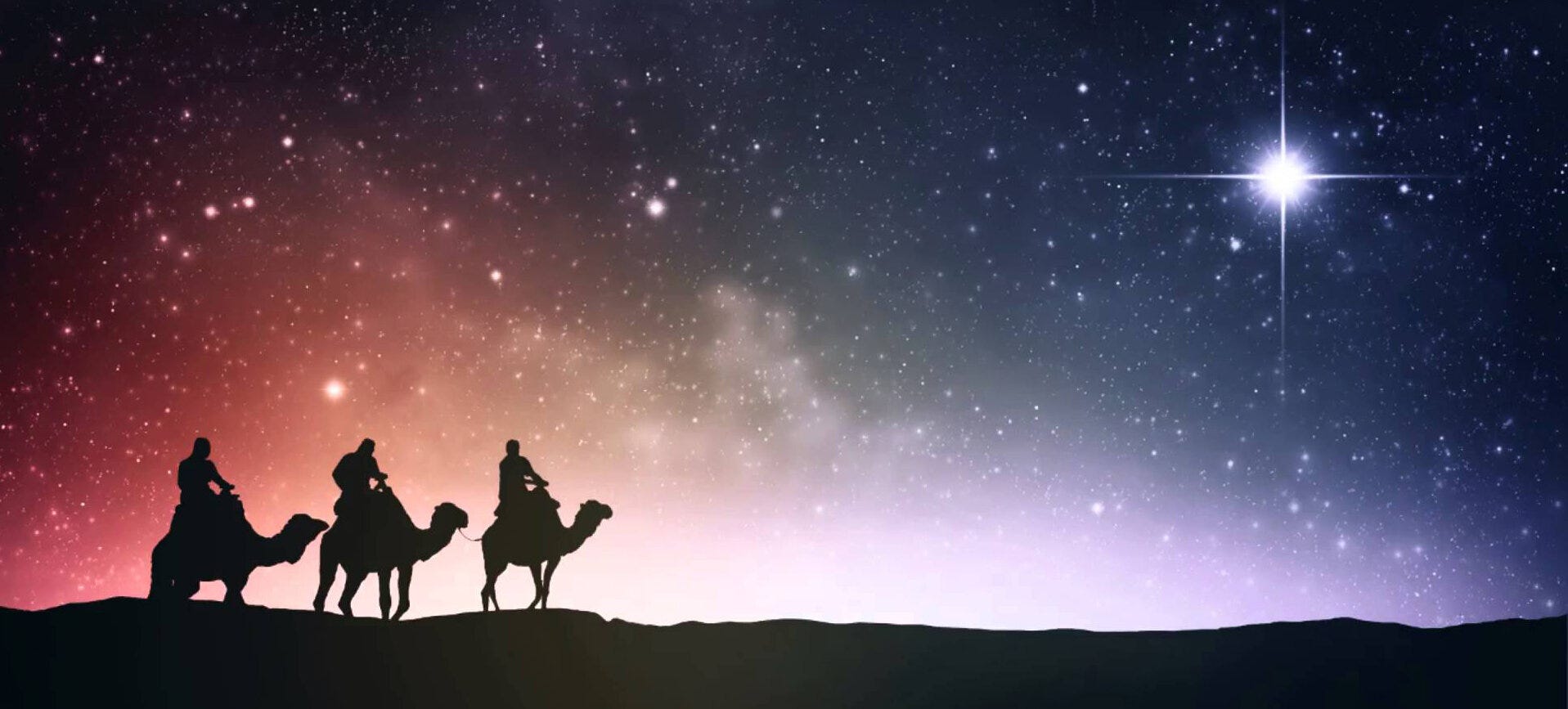
And yet! We can and must hang onto hope, because real end of the story doesn’t take place here, in this world. But also - and here is the twist on the plot twist - this isn’t a reason to press the eject button on this untidy and broken world. No: the reason to celebrate on the 25th isn’t just because it’s nice to have a big old feast when the weather is rubbish and the days are short. (Though that is nice.) It’s also because what we’re celebrating is a deep and central mystery of the Christian story: that holiness suffuses this broken world too. Christmas celebrates the moment that came to be true, in the person of a newborn baby both fully human, and fully divine.
The story tells us this happened quietly, amid cold, and chaos, scarcity, and danger. Things sucked then. They still suck, sometimes. But hope was born in that moment, too. And if ever there’s a time to remember this, it’s where we are now: confronting the Progress Theology lie of immanent salvation, with its false soteriology of cost-less freedom and infinite stuff.
So this is my Christmas wish to you all: for hope, after the end of progress. Things will get better, eventually, but perhaps not to our preferred schedule. Meanwhile, the Christmas feast can, if we choose to let it, act as reminder that this world is holy too, in all its brokenness, because God sent his own son to make it so.
Merry Christmas, one and all, and I hope you have a blessed year to come.


You know, while I sit and have my early morning coffee and read this, I find myself feeling hopeful. Not just because the article is hopeful, but because you wrote about Christ’s birth. Thank you again.
Christmas; Bane of Nihilism